What is a Food Pump and How Does It Work?
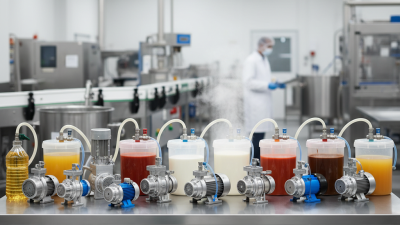
The food pump is a vital component in the food industry. It helps transport liquids and semi-liquids efficiently. Food pumps are used in various applications, from beverage manufacturing to sauce processing. Understanding how a food pump works can improve food production processes.
Food pumps operate by creating suction to move products. Their design plays a crucial role in maintaining the quality of food. Different types of food pumps exist, each suited for specific needs. For example, positive displacement pumps are common for thick products. Other designs, like centrifugal pumps, handle more fluid products.
However, not all food pumps are flawless. They can face challenges like clogging or inconsistency in flow. Regular maintenance is essential to address these issues. Knowledge of a food pump's operation can lead to better outcomes in food production. It's important to choose the right pump for the job to ensure efficiency and safety.
What is a Food Pump?
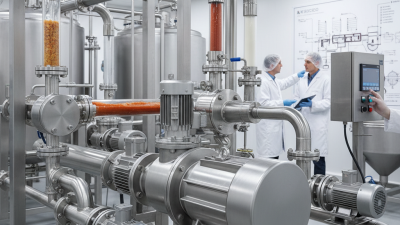
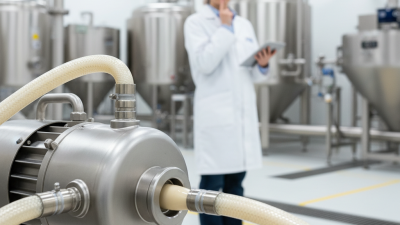
A food pump is an essential device in the food processing industry. Its primary function is to transport food products through pipelines. These products can include liquids, solids, and semi-solids. Food pumps ensure that materials move smoothly from one stage of production to another. They help maintain product quality during handling.
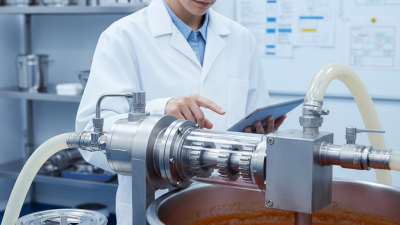
Operating a food pump involves understanding its mechanics. Generally, these systems use positive displacement or centrifugal force to move food. With positive displacement pumps, a fixed amount of food is pushed through at each cycle. This method is effective for thick substances like sauces or purees.
On the other hand, centrifugal pumps are better suited for liquids and rely on speed and pressure to move the product.
Not every food pump is reliable under all conditions. Some settings may present challenges, such as high viscosity or abrasive materials. Users must monitor pump performance regularly to ensure optimal operation. This includes checking for wear and tear. If issues arise, troubleshooting becomes vital. A food pump can significantly enhance production, but it requires careful management to avoid potential pitfalls.
Types of Food Pumps and Their Applications
Food pumps have diverse applications in various industries, and understanding their types can guide efficient use. Positive displacement pumps are common in food processing. They precisely move a set volume with each cycle. This type suits thick liquids like sauces and purees. According to a recent report by the Food Processing Manufacturers Association, these pumps can double production efficiency when correctly calibrated.
Another type is centrifugal pumps. These pumps use rotational energy to move liquids. They are ideal for thin fluids like juices or broth. A report found these pumps effective for large-volume applications, offering flow rates over 1,000 gallons per minute. However, they may struggle with viscous products. This inefficiency may lead to pump cavitation, which can damage the system.
Tips: Always evaluate the viscosity of the product. Conduct tests to determine the most suited pump type. Routine maintenance extends pump life and maintains efficiency. Additionally, consider the total cost of ownership. It should include installation, operation, and maintenance costs for a complete analysis. Understanding these factors is crucial for making informed choices in food processing.
How Food Pumps Operate: Key Mechanisms and Functions
Food pumps are essential devices in various industries. They facilitate the transfer of liquids or semi-liquids in food processing. Understanding how food pumps operate is crucial for optimizing efficiency and ensuring food safety.
These pumps utilize different mechanisms, such as positive displacement and centrifugal action. Positive displacement pumps create pressure by trapping a fixed amount of food product and forcing it into the discharge line. Centrifugal pumps, on the other hand, rely on rotational energy to move food product through the system. This difference impacts flow rate and pressure, crucial for maintaining product quality. According to industry reports, nearly 30% of food waste occurs during the transfer process, highlighting the importance of accurate pump selection.
Tip: Always calculate the viscosity of your product. This affects pump performance. For thicker liquids, a positive displacement pump may be more effective.
Choosing the right pump is vital. Consider factors such as temperature and pressure. Incorrect pump selection can lead to mechanical failure. In a recent survey, 45% of professionals reported issues due to mismatched pump specifications.
Tip: Regular maintenance is crucial. Neglect can reduce efficiency and lead to costly repairs. Always inspect seals and gaskets to prevent leaks.
Advantages of Using Food Pumps in the Food Industry
Food pumps are increasingly essential in the food industry. They streamline processes, enhance efficiency, and improve product quality. According to a report by the Food Processing Suppliers Association, food pumps can reduce operational costs by up to 30%. This efficiency leads to faster production flows and less waste, making businesses more competitive.
One notable advantage of food pumps lies in their ability to maintain product integrity. They minimize shear and turbulence, preserving the texture of delicate items like sauces and purees. A 2022 study from the International Journal of Food Engineering indicated that using food pumps can improve the consistency of products by 25%. However, not all systems are foolproof. Improper installation can lead to cross-contamination and spoilage, which underscores the need for expert oversight in their implementation.
Food pumps also offer significant flexibility. They can handle various viscosities, accommodating everything from thin liquids to thicker mixtures. This adaptability is vital as consumer trends shift towards more complex and diverse food products. Yet, there is a learning curve. Staff training is crucial to avoid operational hiccups that could otherwise lead to costly downtime.
Maintenance and Troubleshooting of Food Pumps
Food pumps are vital in various industries for transporting liquids and semi-liquids. Regular maintenance is crucial to ensure their longevity and efficiency. A clean machine runs better. Residue build-up can reduce performance. Inspecting and cleaning the pump regularly prevents such issues. Check the seals and gaskets for wear. Replacing them can save costly repairs later.
Troubleshooting is another aspect that requires attention. Common issues include leaks and unexpected noises. A slight leak may indicate a worn-out seal. Tightening connections often resolves this. Unusual sounds might suggest internal damage. Listening to your pump can provide insights into potential problems. Don’t ignore warning signs. Addressing them early can minimize downtime.
Operators should be trained to spot early warning signs. Investing in training leads to better maintenance practices. Recording the pump's performance data helps identify trends over time. Monitoring these metrics is essential for proactive maintenance. Don’t wait for a major failure to act. Each small step in maintenance adds up to significant savings and better efficiency.
What is a Food Pump and How Does It Work? - Maintenance and Troubleshooting of Food Pumps
| Dimension |
Description |
Maintenance Tips |
Troubleshooting Steps |
| Pump Type |
Positive Displacement, Centrifugal |
Regularly check seals and gaskets. |
Inspect for blockages in the inlet and outlet. |
| Flow Rate |
Measured in gallons/minute or liters/minute |
Calibrate flow meter regularly. |
Check for air leaks in the suction line. |
| Pressure |
Operating pressure typically ranges from 30 to 100 psi |
Monitor pressure gauges for accurate readings. |
Identify and fix pressure drops in the system. |
| Temperature |
Maintain ideal temperatures to avoid product degradation |
Ensure proper insulation of pipes. |
Resolve overheating issues promptly. |
| Common Issues |
Cavitation, leakage, blockage |
Ensure proper alignment of pump components. |
Fix any unusual noises or vibrations immediately. |