Universal Pumping | High Pressure Pumps
High Pressure Pumps for Difficult to Pump Slurry, Sludge, and Food Waste.
Industrial facilities often move liquids that ordinary pumps cannot handle safely. Acids, solvents, slurries, and concentrated cleaning fluids demand careful equipment selection. This is where chemical pumps become essential. Their materials, seals, flow controls, and pressure ratings are designed for demanding service conditions. A well-selected pump can reduce leakage risks, protect workers, and maintain stable production. It can also support accurate dosing in water treatment, pharmaceutical processing, food manufacturing, and chemical plants.
Performance depends on more than the pump itself. Engineers must examine liquid temperature, viscosity, concentration, vapor pressure, and compatibility with wetted components. A pump that handles dilute acid may fail quickly with a hotter or stronger solution. Small details matter. A worn seal can leave drops around a flange before anyone notices. Proper installation, routine inspections, and documented maintenance help prevent that problem. Experienced teams also compare lifecycle costs, not only the purchase price. Lower energy use and fewer unplanned shutdowns may justify a higher initial investment.
Still, no chemical pump fits every application. Selection mistakes happen, especially when operating data is incomplete. That reality deserves attention. Reliable recommendations should come from manufacturers, qualified engineers, and current industry guidance. Site conditions must be verified before approval. When design, materials, monitoring, and operator training work together, chemical pumps offer dependable control over difficult fluids. Their value is practical: safer handling, consistent flow, and stronger process reliability. Each benefit, however, depends on disciplined selection and honest performance review.
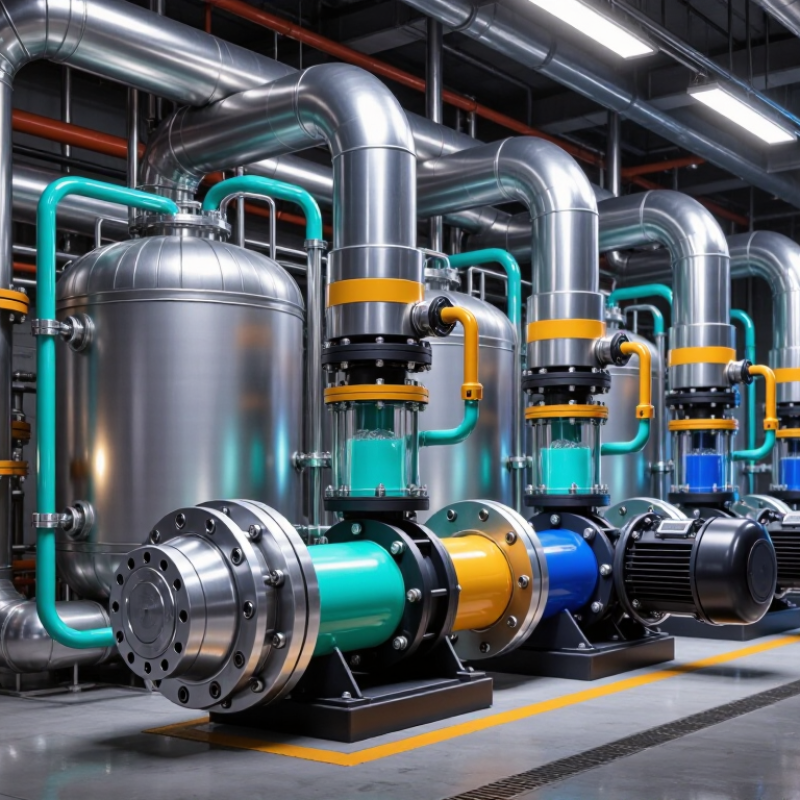
Chemical pumps are engineered to move corrosive, toxic, or highly reactive liquids safely through industrial systems. Unlike ordinary water pumps, they use compatible materials, sealed designs, and controlled flow paths.
The pumped liquid may be acidic, alkaline, solvent-based, or filled with fine particles. Material selection matters. A small mismatch can cause swelling, cracking, or premature leakage.
Most chemical pumps work by converting motor energy into liquid movement. In a centrifugal model, a rotating impeller creates velocity and pressure. In a diaphragm or metering pump, repeated chamber movement controls a measured volume.
Valves guide the liquid in and out while preventing unwanted backflow. Operators adjust speed, stroke length, or pressure to match the process. Flow rate alone is not enough. Viscosity, temperature, vapor pressure, and chemical concentration also affect performance.
In practical plant inspections, technicians check seals, piping connections, vibration, and signs of crystallization around fittings. Good pumps reduce exposure risks and help maintain consistent production.
Yet no pump suits every chemical service. A rushed selection can produce hidden damage, even when the first test appears successful.
I would verify chemical compatibility using current technical data, then review the pump under real operating temperatures. Maintenance teams also need clear inspection intervals and accessible isolation valves. Small design details matter.
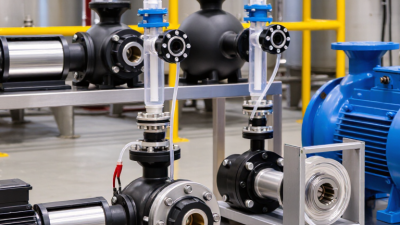
Chemical pumps are essential where fluids are corrosive, abrasive, toxic, or difficult to handle. Which industrial processes require them? Water and wastewater treatment use pumps to dose acids, alkalis, disinfectants, and coagulants. The United Nations World Water Development Report 2023 estimates that industry accounts for about 19% of global freshwater withdrawals. Reliable chemical dosing therefore affects both treatment quality and operating efficiency. Small errors can create large process problems.
Chemical manufacturing also depends on these pumps for transferring solvents, reagents, and concentrated solutions. Mining operations use them to move slurry, leaching agents, and pH-control chemicals. Pulp and paper mills require chemical pumps for bleaching and wastewater treatment. Food-processing plants use them for cleaning systems and controlled additives. In practice, material compatibility matters as much as flow rate. A pump may perform well for weeks, then fail after one overlooked temperature change. That is an uncomfortable lesson.
Tips: Check chemical concentration, temperature, viscosity, and solids content before selecting a pump. Review seal materials and maintenance access with qualified engineers. The U.S. Environmental Protection Agency’s industrial wastewater guidance highlights the importance of consistent treatment control, but real plants rarely behave perfectly. Keep spare diaphragms, inspect dosing lines, and record pressure changes. Better records often reveal problems before visible leakage begins.
| Industrial Process | Typical Chemicals or Fluids | Main Pumping Function | Common Pump Types | Why a Chemical Pump Is Used | Important Design Considerations |
|---|---|---|---|---|---|
| Water and Wastewater Treatment | Sodium hypochlorite Ferric chloride Alum Sodium hydroxide | Dosing disinfectants, coagulants, pH-adjustment chemicals, and sludge-treatment chemicals. | Diaphragm metering pumps Peristaltic pumps Mag-drive centrifugal pumps |
Provides controlled chemical dosing while reducing leakage, contamination, and exposure to corrosive fluids. | Accurate low-flow control, chemical compatibility, air removal, abrasion resistance, and safe containment. |
| Chemical Manufacturing | Acids Alkalies Solvents Reagents | Transfer, recirculation, blending, and metering of raw materials and finished chemicals. | Magnetic-drive pumps Sealless diaphragm pumps Double-diaphragm pumps |
Handles aggressive fluids with reduced risk of shaft-seal leakage and unplanned process interruption. | Material compatibility, vapor pressure, temperature, pressure rating, hazardous-area requirements, and seal-free operation. |
| Petrochemical and Refining Operations | Hydrocarbons Caustic solutions Corrosion inhibitors Antifoams | Chemical injection, fuel and solvent transfer, process circulation, and additive dosing. | Plunger metering pumps Screw pumps Mag-drive centrifugal pumps |
Supports precise additive injection and reliable transfer of fluids that may be flammable, toxic, or corrosive. | API or site standards, leak prevention, pressure pulsation, hazardous-location certification, and antistatic measures. |
| Pulp and Paper Production | Bleach chemicals Hydrogen peroxide Sodium hydroxide Sizing agents | Dosing bleaching agents, pH chemicals, retention aids, and coating additives. | Diaphragm metering pumps Peristaltic pumps Progressive cavity pumps |
Maintains consistent chemical concentration and accommodates fluids containing fibers, solids, or abrasive particles. | Solids handling, shear sensitivity, chemical resistance, cleanability, and stable flow at variable production rates. |
| Metal Plating and Surface Treatment | Sulfuric acid Hydrochloric acid Plating solutions Rinse water | Circulation, filtration, transfer, and controlled dosing of etching and plating baths. | Vertical sump pumps Mag-drive centrifugal pumps Metering pumps |
Provides corrosion-resistant circulation and accurate chemical delivery for consistent surface quality. | Resistance to concentrated acids, bath temperature, suspended solids, tank geometry, and electrical conductivity. |
| Food and Beverage Processing | Cleaning solutions Sanitizers Acids Alkaline detergents | CIP chemical circulation, sanitation dosing, and transfer of approved process additives. | Sanitary centrifugal pumps Diaphragm metering pumps Peristaltic pumps |
Supports hygienic operation, repeatable chemical concentration, and thorough cleaning without contaminating product streams. | Food-contact materials where applicable, hygienic construction, drainage, clean-in-place compatibility, and gentle handling. |
| Pharmaceutical Manufacturing | Solvents Buffers Acids and bases Active solutions | Accurate dosing, sterile or hygienic transfer, formulation, and process-fluid circulation. | Peristaltic pumps Diaphragm pumps Sanitary centrifugal pumps |
Offers controlled flow, low contamination risk, and compatibility with validated cleaning and sterilization procedures. | Material traceability, low hold-up volume, cleanability, sterilization method, pulsation control, and regulatory validation. |
| Semiconductor and Electronics Manufacturing | Ultra-pure water Hydrofluoric acid Solvents Photoresist chemicals | Precise delivery and circulation of high-purity process chemicals during wafer cleaning and fabrication. | Sealless chemical pumps Air-operated diaphragm pumps Precision metering pumps |
Minimizes particle generation, metal contamination, leakage, and variation in sensitive process steps. | Ultra-clean wetted materials, low particle generation, chemical purity, flow accuracy, and cleanroom suitability. |
| Mining and Mineral Processing | Sulfuric acid Flocculants Slurry Cyanide solutions | Reagent dosing, slurry transfer, mineral leaching, thickener operation, and tailings treatment. | Progressive cavity pumps Slurry pumps Diaphragm metering pumps |
Handles abrasive, viscous, or solids-laden fluids while maintaining dependable reagent delivery. | Abrasion resistance, solids concentration, viscosity, corrosion resistance, dry-run protection, and maintenance access. |
| Agricultural Chemical Production | Fertilizer solutions Pesticide formulations Acids Suspensions | Batch transfer, formulation, dosing, recirculation, and filling of agricultural chemicals. | Diaphragm pumps Progressive cavity pumps Mag-drive centrifugal pumps |
Provides reliable handling of corrosive, concentrated, viscous, or particle-containing formulations. | Suspension stability, viscosity, solids handling, corrosion resistance, accurate batch control, and spill prevention. |
| Textile Manufacturing | Dyes Bleaches Sizing chemicals Finishing agents | Dye-bath circulation, chemical dosing, fabric treatment, and wastewater neutralization. | Metering pumps Mag-drive centrifugal pumps Peristaltic pumps |
Improves dosing consistency and protects equipment from corrosive or dye-containing process fluids. | Color cross-contamination control, chemical compatibility, variable flow, temperature, and cleaning requirements. |
| Industrial Air Pollution Control | Caustic soda Lime slurry Ammonia Oxidants | Dosing and circulating scrubber chemicals for removing acidic gases and other pollutants. | Diaphragm metering pumps Slurry pumps Vertical pumps |
Enables controlled reagent delivery and continuous circulation in corrosive, wet, and particle-containing environments. | Gas-absorption chemistry, slurry abrasion, corrosion resistance, nozzle pressure, and dependable continuous duty. |
Chemical pumps are designed to move aggressive, corrosive, or hazardous fluids safely through industrial systems. Their materials, seals, and internal structures can withstand demanding chemical conditions better than many standard pumps. This supports stable production in water treatment, pharmaceuticals, food processing, mining, and manufacturing.
Reliability is a major benefit. A properly selected pump can reduce leaks, unplanned shutdowns, and maintenance exposure. Precise flow control also improves dosing accuracy, especially when handling acids, solvents, or concentrated cleaning fluids. Engineers should examine chemical compatibility, temperature, viscosity, pressure, and required flow rate before installation. Small errors matter. A pump that works well in testing may struggle with changing temperatures or solid particles in daily operation. No pump is perfect.
Tips: Confirm the fluid’s chemical properties with current safety data. Select wetted materials carefully, and check seal performance under actual operating conditions. Use protective equipment during inspection and follow site procedures. Regularly monitor vibration, noise, pressure, and leakage. Early warning signs often appear before serious failure. Keep maintenance records, but review them critically; old assumptions may no longer match the process. Competent technicians should inspect the system, and qualified engineers should approve major changes.
Selecting the right chemical pump starts with understanding the fluid, not the equipment catalogue. Record its chemical composition, concentration, temperature, viscosity, vapor pressure, and solid content. Small changes matter. A diluted acid may behave very differently from a concentrated solution.
Define the required flow rate and discharge pressure under real operating conditions. Include pipe length, elevation, valves, filters, and possible pressure losses. A pump that meets laboratory figures may struggle in a busy plant. Check whether the process needs continuous duty, variable speed, dry-run tolerance, or precise dosing. These details often determine the suitable pump design.
Material compatibility is critical. Wetted parts, seals, gaskets, and fittings must resist the chemical at the highest expected temperature. Consider corrosion data from qualified technical sources, then confirm the choice through supplier documentation and practical testing. Magnetic-drive and sealless designs can reduce leak risks, while sealed designs may suit other duties when maintained correctly. Neither option is automatically best.
Think about installation and maintenance before approval. Can operators inspect the pump safely? Are spare parts available? Is the system protected against blocked discharge and cavitation? I have seen selections fail because engineers focused on flow rate alone. That mistake is easy to repeat. A careful review with operators, maintenance staff, and process engineers usually exposes hidden conditions. When uncertainty remains, test the pump with representative fluid or conservative operating limits.
Chemical pumps can handle corrosive, toxic, or temperature-sensitive fluids when materials and operating limits match the process. Safety begins before startup. Confirm chemical compatibility, pressure ratings, temperature limits, and containment requirements. Use closed transfer lines, splash protection, ventilation, and clearly labeled isolation valves. OSHA’s Control of Hazardous Energy standard, 29 CFR 1910.147, requires documented lockout and verification before maintenance. Isolation is not optional.
Inspect seals, gaskets, couplings, bearings, and base bolts during each planned round. Look for crystal deposits, staining, unusual vibration, rising temperature, or changes in flow. A simple log with readings can reveal deterioration before failure. The U.S. Department of Energy reports that pumping systems may represent about 27% of industrial motor energy use, while proper system improvements can reduce pumping energy by 20% to 50%. Correct alignment and avoiding oversized pumps therefore protect both equipment and operating budgets.
Maintenance intervals should follow chemical exposure, duty cycle, and manufacturer limits, not habit. Flush compatible residues before opening equipment, and test drains safely. Never assume water is harmless; some reactions generate heat or dangerous vapors. Weekly checklists help, but they can become paperwork without competent review. Vibration trends are valuable, yet a quiet pump can still conceal internal corrosion. Periodic inspection, calibrated instruments, operator training, and honest failure reviews extend service life more reliably than replacing parts on a fixed calendar.
Universal Pumping
625 Apache Trail
Woodstock, GA 30189
Mon - Fri | 9:00 AM - 5:00 PM
Universal Pumping is staffed with industry professionals with 20-45 years experience with high pressure pumping systems. We represent only the “elite producers” in pump manufacturing: Britain’s EMS and Germany’s EMMERICH. Our engineering and manufacturing approach is conservative, and we do not use “guess work” in the design or sales of our pumping and filtration equipment.