7 Tips for Choosing a Diaphragm Transfer Pump

Choosing a diaphragm transfer pump is not just a matter of matching a pipe size. The liquid, flow target, and installation all matter. A thin cleaning solution behaves differently from a viscous coating or a liquid carrying fine solids. So does a pump moving fluid a few feet, compared with one feeding a long discharge line. Small details count.

Because no source was provided for a verifiable expert quotation, the following is an illustrative quote from a fictional composite specialist, Alex Morgan: “Choose for the liquid and the duty—not just the connection size.” It is a useful reminder, not a sourced statement. A real selection should check chemical compatibility, required flow and pressure, suction conditions, and the pump’s air or electrical supply. Material choices can affect service life. So can dry-running, frequent starts, and abrasive particles. The product sheet may look reassuring. The actual installation can still surprise you.

This guide presents seven practical checks for choosing a diaphragm transfer pump. It considers what you are transferring, how much movement the job requires, and which pump materials suit the fluid. It also covers power, pressure, maintenance, and operating conditions. A clear specification helps narrow the options, but it cannot replace checking the manufacturer’s limits for your exact application. Leave room for that second look.
7 Tips for Choosing a Diaphragm Transfer Pump

How a Diaphragm Transfer Pump Works and Where It Is Used

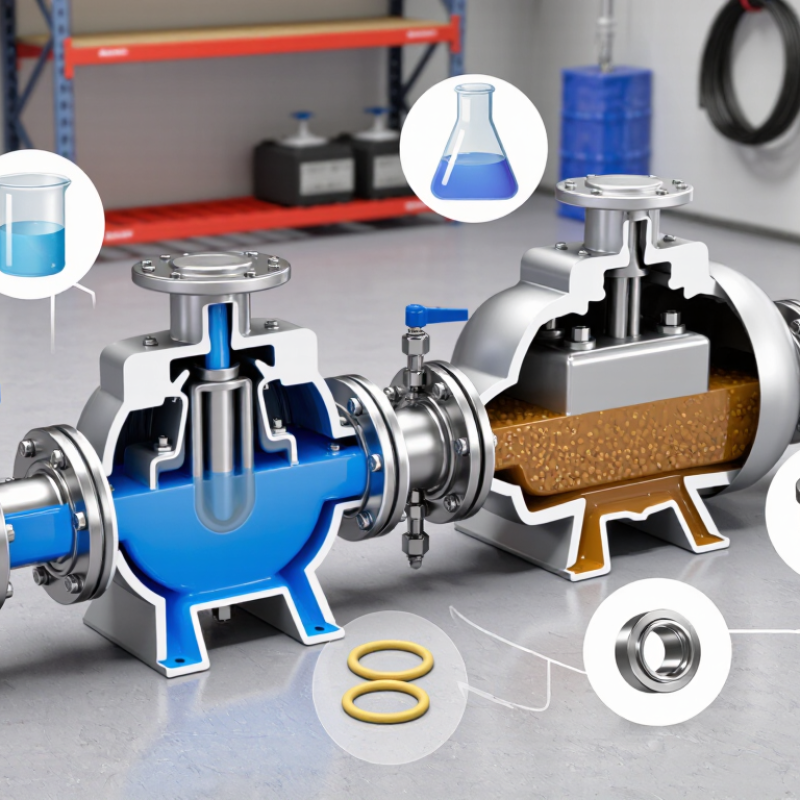
A diaphragm transfer pump moves liquid by flexing a sealed membrane inside a chamber. In an air-operated model, compressed air alternately pushes two diaphragms. As each diaphragm moves, chamber volume changes, drawing liquid through an inlet check valve and sending it out through an outlet valve. The liquid stays apart from the drive mechanism. That can help when transferring corrosive or abrasive fluids, but compatibility still depends on diaphragm, valve, and body materials.

These pumps are used in wastewater handling, chemical transfer, coatings, and other processes where fluid properties vary. A narrow hose, thick liquid, or large solids can change flow noticeably. Check the pump’s allowable particle size and viscosity, then compare them with the actual fluid and transfer distance. A pressure gauge helps reveal restrictions. It is a small detail, but easy to overlook.

Energy use matters too. The U.S. Department of Energy’s 2006 pumping-system sourcebook estimates that pumping uses nearly 20% of global electricity. In some industrial operations, it accounts for 25–50% of energy use. DOE’s compressed-air sourcebook also notes that compressed air can reach 30% of a plant’s electricity use. These are broad industry figures, not forecasts for one pump. For an air-driven model, monitor air consumption and leaks; a pump that handles the liquid well may still be inefficient in the wider system.

Assess the Fluid’s Properties and Compatibility Requirements

A diaphragm transfer pump must suit the liquid it will handle, not just the required flow rate. Start with the fluid’s chemical composition and check every wetted component, including the diaphragm, valves, and housing. A chemical that leaves the housing untouched may still swell or weaken a diaphragm. Small details matter.

Check viscosity, temperature, and solids content under actual operating conditions. A thick liquid may reduce flow, while sharp particles can accelerate wear. Note whether the fluid changes temperature during transfer or contains cleaning agents between batches. Compatibility charts are useful, but confirm the exact concentration and temperature with the pump manufacturer’s technical data. A quick check can feel tedious. Skipping it can mean leaks, downtime, or contaminated product. If the fluid’s composition is uncertain, identify it before selecting materials; assumptions are easy to make and hard to correct later. Keep the fluid safety data and operating details together when requesting a compatibility review.

7 Tips for Choosing a Diaphragm Transfer Pump: Assess Fluid Properties and Compatibility

Viscosity is one important property to assess when selecting a pump. The chart compares approximate dynamic viscosities of four pure liquids at 20°C; the logarithmic scale makes the wide range easier to see.

Values are approximate and can vary with temperature and fluid composition. Before choosing a pump, check the fluid’s viscosity and confirm that all wetted materials—including the diaphragm, valves, seals, and housing—are compatible with the fluid and operating conditions.

Match Pump Capacity to Flow Rate and Operating Pressure

7 Tips for Choosing a Diaphragm Transfer Pump

Match Pump Capacity to Flow Rate and Operating Pressure

Choose a pump for the flow and pressure your process actually needs, not its maximum advertised capacity. Check the pump curve or performance table at your expected operating pressure. A unit rated for high flow at low pressure may deliver much less when pushing liquid through long hoses, filters, or elevated pipework. Include static lift, line losses, and any downstream backpressure in your pressure estimate. Also check suction conditions and liquid viscosity; both can affect real-world output. Small details matter.

The U.S. Department of Energy’s Improving Pumping System Performance: A Sourcebook for Industry reports that pumping systems use nearly 20% of the world’s electricity, and 25–50% of energy in some industrial operations. Those figures cover pumping systems broadly, not diaphragm pumps alone, but they show why poor sizing deserves attention.

Avoid oversized capacity that forces routine throttling or excessive cycling. Confirm the supplier’s flow data match your liquid and air-supply conditions, then allow a sensible margin for process variation. Do not treat that margin as a substitute for measured requirements. A sizing worksheet can miss a sticky valve or a hose that kinks under load. Recheck the setup after installation.

Compare Pump Materials, Drive Types, and Power Options

Start with the wetted materials: pump body, diaphragms, balls, and seats. Polypropylene is lightweight and suits many corrosive liquids; stainless steel may fit tougher service conditions. Neither is universal. Check every component against the fluid, temperature, and cleaning method—not just the body. Elastomers matter too: EPDM, nitrile, and PTFE respond differently to chemicals. Compatibility charts are useful, but fluid blends can still surprise you.

Drive type shapes where and how a pump can operate. Air-operated models are useful where compressed air is available and variable flow is needed. They can also run dry for limited periods, depending on the design. Electric-drive pumps avoid the need for an air line and may offer steadier control, but require a suitable power supply and protection from the site environment. There is no automatic winner. Consider noise, maintenance access, and how often the pump will start and stop.

Match power to the actual transfer task. Check required flow, discharge pressure, suction lift, and fluid viscosity against the pump’s performance data. A thick liquid may deliver less flow than a thin one. For mobile work, confirm that the power source can handle startup demand; a small generator may struggle. I would not choose by motor rating alone. Leave room for operating variation, and verify connections before installation.

Evaluate Maintenance Needs, Safety Features, and Supplier Support

Maintenance needs are easiest to judge against the pump’s actual duty. Record the fluid, temperature, operating pressure, and daily run time before comparing models. Check how quickly technicians can inspect diaphragms, valves, and seals. Ask whether routine service requires common tools or a full teardown. Small details matter. A service interval printed in a manual may not fit a pump handling abrasive fluid every shift.

Safety features should match the installation, not just the product sheet. Confirm pressure protection, secure hose connections, and suitable materials for the fluid. For a pump in a busy washdown area, inspect the enclosure and access points for trapped liquid or exposed moving parts. No guard, no guesswork. Verify how the pump behaves if a line blocks or a diaphragm fails, and follow the manufacturer’s operating guidance.

Supplier support can prevent a small fault from becoming days of downtime. Ask whether spare diaphragms and valve parts are readily available, and whether clear service instructions come with them. A useful supplier will discuss operating conditions and explain limits without promising that one pump suits every job. I would still compare those claims with your maintenance records; specifications can look reassuring on paper, while real service work is less tidy.

7 Tips for Choosing a Diaphragm Transfer Pump: Evaluate Maintenance Needs, Safety Features, and Supplier Support

Tip What to Evaluate Practical Checks Why It Matters
1. Match the pump to the fluid Fluid chemistry, temperature, viscosity, and any suspended solids. Confirm compatibility of the diaphragm, valve balls, seats, and wetted housing. Check the pump’s operating limits against the fluid’s temperature and viscosity. Incompatible materials can swell, crack, corrode, or wear prematurely, causing leaks or reduced performance.
2. Size for the actual duty Required flow rate, discharge pressure, suction lift, pipe length, and system losses. Use the pump performance curve at the expected operating pressure, not only the maximum flow or maximum pressure listed separately. The pump must meet the required flow at the system’s real pressure and piping conditions.
3. Choose a suitable drive Available compressed air or electrical power, operating environment, and control requirements. For air-operated models, verify air pressure, air consumption, and air quality requirements. For electric models, check voltage, motor protection, and any area-specific electrical requirements. The drive must suit the site utilities and conditions; the two drive types have different installation and operating needs.
4. Review maintenance requirements Routine inspection points, expected wear parts, service access, and repair procedures. Ask for a parts list, maintenance schedule, service instructions, and estimated availability of diaphragms, valves, and seals. Check whether the pump can be accessed safely for service. Clear maintenance information and accessible replacement parts can reduce downtime and simplify planning.
5. Check safety and containment features Leak detection or containment options, pressure limits, grounding needs, and installation safeguards. Review the operating manual for pressure limits and required protective measures. Where leakage could create a hazard, ask about a double-diaphragm design with a means of detecting diaphragm failure. Appropriate safeguards help manage risks from leaks, overpressure, and hazardous fluids. Features and requirements vary by model and application.
6. Consider flow behavior and installation Pulsation, noise, vibration, available space, hose or pipe connections, and mounting. Confirm connection sizes and orientation, and ask whether the application needs a pulsation dampener or other flow-control measures. Check installation clearances and support requirements. A pump that fits the layout and flow requirements is easier to install and may reduce unwanted vibration or pressure fluctuations.
7. Assess supplier support Application guidance, documentation, training, warranty terms, and parts support. Request written performance data, material compatibility information, installation guidance, warranty details, and typical lead times for replacement parts. Responsive technical support and accessible documentation help with selection, commissioning, and long-term maintenance.

Company Info

Universal Pumping

625 Apache Trail
Woodstock, GA 30189

Mon - Fri | 9:00 AM - 5:00 PM

Connect With Us

About Universal Pumping

Universal Pumping is staffed with industry professionals with 20-45 years experience with high pressure pumping systems. We represent only the “elite producers” in pump manufacturing: Britain’s EMS and Germany’s EMMERICH. Our engineering and manufacturing approach is conservative, and we do not use “guess work” in the design or sales of our pumping and filtration equipment.