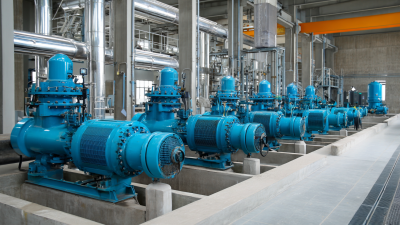
How to Choose a Hydraulic Ram Pump?

Choosing a hydraulic ram pump begins with the water at your site, not a catalogue specification. A ram uses flowing water and a small vertical drop to push part of that water uphill, without electricity or fuel. Water-supply engineer Terry Thomas describes the principle this way: “A hydraulic ram pump uses the energy of falling water to lift a fraction of the incoming flow to a higher level.” That fraction matters. The pump rejects some water with each cycle, so the available source flow must exceed the amount you need delivered.

Measure the source flow across wet and dry seasons, then record the available fall and the height and distance to the delivery point. These figures help establish whether a pump can meet demand and guide choices such as drive-pipe length, diameter, and materials. Also consider sediment, freezing risk, access for repairs, and where the discharge water can safely go. Small details matter. A pump may run reliably in a clear stream but struggle when leaves or grit reach its valves.

This guide outlines the checks that make selection more dependable, from estimating flow and delivery head to assessing installation and maintenance. Treat manufacturer performance figures as starting points, not guarantees; real sites vary. A tidy calculation can still miss seasonal changes. That is worth admitting. The best choice is a hydraulic ram pump suited to measured conditions, realistic water needs, and the skills available to keep it working.

How to Choose a Hydraulic Ram Pump?

Assess the Water Source and Site Conditions

Assess the water source during its driest season, not after rain. Record flow over several days using a container and stopwatch. Small details matter. A ram pump needs a continuous supply, because some water exits through its waste valve during operation. Practical Action’s technical brief, Hydraulic Ram Pumps, reports typical efficiencies of about 60–80% under suitable conditions. Treat this as a guide, not a guarantee; poor pipe layout or fluctuating flow can reduce performance.

Measure the drive head vertically, from the source’s water surface to the pump—not along the slope. Then measure the delivery head from the pump to the storage tank. FAO’s Water Lifting Devices guidance explains that ram-pump output depends on drive flow and head relative to delivery head. In practice, a steep lift can leave little water for delivery. Measure again. Check the route for sharp bends, long pipe runs, and likely air leaks; each can affect operation.

Inspect the intake after storms and during low flow. Silt, leaves, and gravel can block valves or wear moving parts, so note how much debris reaches the site. Also check whether the source can supply the pump without exposing the intake when water levels fall. A site may look ideal in spring, then disappoint in late summer. Record the lowest flow and water level before selecting a pump size.

Calculate the Available Flow and Required Delivery Head

How to Choose a Hydraulic Ram Pump?

Calculate the Available Flow and Required Delivery Head

Start by measuring the water source during its lowest dependable flow, not after rain. A bucket and stopwatch provide a useful estimate: divide the bucket volume by its fill time. For example, a 10-liter bucket filled in 20 seconds indicates about 30 liters per minute. Record the result. The pump needs a steady drive flow, so exclude water already committed to household or livestock use. Also measure the vertical drop from the supply water level to the pump. This is the drive head.

Measure delivery head from the pump to the highest discharge point. Include the vertical lift, then allow for friction from pipe length, narrow sections, and bends. Compare the available flow and both head measurements with the pump’s published operating range. Ram pumps deliver only part of their drive water, and delivery usually decreases as delivery height increases. Real installations vary. A tidy estimate can still be wrong if a seasonal stream drops.

Tips: Measure on different days and note the results. Record pipe diameter and length, too. Leave some flow in reserve; planning around a best-case reading is an easy mistake. If the route rises and falls, check the actual high points instead of relying only on a map.

Match Pump Capacity to Water and Elevation Requirements

Choosing a hydraulic ram pump begins with source flow and vertical lift, not the outlet size. Measure the spring or stream during its driest season, then record the usable drive head and delivery height. Measure both. Practical Action’s technical brief, “Hydraulic Ram Pumps,” relates delivery flow to source flow, drive head, delivery head, and efficiency: delivered flow equals source flow multiplied by drive head and efficiency, divided by delivery head. A 24-litre-per-minute source, 1.5-metre drive head, and 18-metre lift would deliver about 1.2 litres per minute at an assumed 60% efficiency. That is an illustration, not a guaranteed rating.

Compare this output with actual daily demand and storage needs. For irrigation, FAO Irrigation and Drainage Paper 56 estimates crop water use using ETc = Kc × ETo; use peak-season demand rather than an annual average. A small tank can buffer the pump’s steady, modest output, while a long uphill pipe may reduce it through friction. This is where neat calculations can mislead. Pipe diameter, leaks, changing stream flow, and pump cycling all affect performance. Check the manufacturer’s tested flow at your measured heads, then confirm it on site with a timed container test. Don’t size from lift alone.

How to Choose a Hydraulic Ram Pump? - Match Pump Capacity to Water and Elevation Requirements
Selection Factor What to Measure Example or Practical Guidance Why It Matters Selection Check
Available drive flow Continuous water flow available to feed the pump, measured in litres per minute (L/min). Example: 30 L/min is available at the pump inlet. Part of the drive flow is discharged through the waste valve; only a fraction is delivered uphill. Measure flow during the driest season when the source is still expected to operate.
Drive head Vertical drop from the water source level to the pump, measured in metres (m). Example: a 1 m drop from the supply channel to the pump. This drop supplies the energy that operates the pump. A longer, properly sized drive pipe is also needed. Measure the vertical difference, not the length of the pipe or stream.
Delivery head Vertical rise from the pump to the delivery outlet or storage tank, measured in metres (m). Example: the outlet is 20 m above the pump. Greater delivery head generally reduces the volume the pump can deliver. Include the outlet elevation and account for friction losses in long or narrow delivery pipes.
Estimated delivery flow Use the energy-balance estimate: delivery flow ≈ efficiency × drive flow × (drive head ÷ delivery head). At 50% assumed efficiency, 30 L/min drive flow, 1 m drive head, and 20 m delivery head gives about 0.75 L/min. This provides an initial estimate; actual output varies with pump design, installation, pipework, and operating conditions. Compare estimated daily delivery with the required water demand before choosing a pump.
Example: low delivery lift Drive flow: 40 L/min; drive head: 1.5 m; delivery head: 15 m. At 50% assumed efficiency, estimated delivery is about 2.0 L/min, or 2,880 L/day if operated continuously. A lower delivery head can allow more water to be delivered from the same source flow and drive head. Check that the source can sustain the required drive flow and that the tank can store the delivered water.
Example: higher delivery lift Drive flow: 60 L/min; drive head: 2 m; delivery head: 30 m. At 50% assumed efficiency, estimated delivery is about 2.0 L/min, or 2,880 L/day if operated continuously. A higher lift may require more drive flow, more drive head, or a lower delivery demand. Confirm the pump’s rated operating limits and allow for delivery-pipe friction losses.
Water demand Daily volume required for household use, livestock, irrigation, or storage. Example: 1 L/min delivered continuously is approximately 1,440 L/day. Ram pumps generally deliver a continuous, relatively low flow rather than a large on-demand flow. Size storage for periods of peak use and for interruptions in source flow.
Drive and delivery pipes Pipe diameter, length, material, fittings, and route. Use a drive pipe that follows the pump manufacturer’s specifications; avoid unnecessary bends and restrictions. Pipe friction and poor installation can reduce performance or prevent reliable cycling. Check pipe sizing, pressure rating, secure anchoring, and a suitable intake screen.
Important sizing note The worked examples use an assumed 50% efficiency for illustration, not as a guaranteed pump rating. Real efficiency and output vary by model and installation. Confirm the required drive flow, drive head, delivery head, and expected output with measured site data and the selected pump’s technical specifications.

Select Suitable Materials, Valves, and Pipe Sizes

Choosing a hydraulic ram pump starts with the water, not the pump body. Practical Action’s technical brief on hydraulic ram pumps describes delivery heads roughly five to twenty times the available drive head; the trade-off is lower delivered flow at greater lift. That makes valve choice important. A waste valve must close sharply under impact, while the delivery check valve must seal reliably between cycles. Stainless steel resists corrosion, while bronze or suitable engineering polymers may suit less abrasive water. Match wetted materials to the water chemistry, and check local drinking-water requirements if the water will be consumed. Small details matter: grit caught on a valve seat can stop a pump.

Size the drive pipe for the actual flow, length, and elevation change, not just the pump inlet. An undersized pipe adds friction and weakens the pressure pulse; an oversized one can raise cost without improving output. Practical Action’s guidance also emphasizes a straight, rigid drive pipe, since movement and sharp bends can disrupt operation. For a field check, measure the source flow and static lift, then compare the expected delivery volume with the site’s daily need. I would still treat any rule-of-thumb sizing as a first estimate; long pipes, air leaks, and sediment can change results. A simple test with a pressure gauge and timed bucket is often more revealing than a neat calculation.

Compare Installation, Maintenance, and Operating Costs

How to Choose a Hydraulic Ram Pump?
Compare Installation, Maintenance, and Operating Costs

A hydraulic ram pump can move water without grid power, but that does not make it cost-free. Installation depends on the site. You need a steady water source, enough vertical drop, and space for a drive pipe and pump. Budget for an intake screen, pipe supports, delivery piping, and a firm base. A long uphill delivery line can add more cost than the pump itself. Measure the elevation and route before requesting quotes.

Maintenance is usually simple, not absent. Sediment can clog the intake, while worn valves may cause irregular cycling. Leave room to reach the valve chamber, and check whether common replacement parts are available locally. In cold climates, draining exposed pipe may prevent freeze damage. Small details matter. A pump tucked behind a wall may save space but make routine checks awkward.

Operating costs are often low because the pump uses flowing water rather than purchased electricity. Still, compare the amount delivered with the water available and the required lift. Some source water is discharged during each cycle, so consider whether that loss is acceptable for your site. Estimate annual cleaning and repair time, too. A neat spreadsheet can miss the muddy intake after a storm. Site conditions vary, and an inexpensive installation may not be the cheapest one to maintain.

How to Choose a Hydraulic Ram Pump: 10-Year Cost Comparison

Illustrative costs in USD for one small water-pumping installation. The estimate assumes a suitable flowing water source for the ram pump and includes installation, routine maintenance, and energy over 10 years. Actual costs depend on site conditions, required flow and lift, local labor rates, and electricity prices. A hydraulic ram pump uses water flow rather than purchased electricity, but requires an appropriate water source and elevation drop.

Company Info

Universal Pumping

625 Apache Trail
Woodstock, GA 30189

Mon - Fri | 9:00 AM - 5:00 PM

Connect With Us

About Universal Pumping

Universal Pumping is staffed with industry professionals with 20-45 years experience with high pressure pumping systems. We represent only the “elite producers” in pump manufacturing: Britain’s EMS and Germany’s EMMERICH. Our engineering and manufacturing approach is conservative, and we do not use “guess work” in the design or sales of our pumping and filtration equipment.