What Are the Top Transfer Pump Types in 2026?
In 2026, selecting a transfer pump is less about chasing a “top” label and more about matching the pump to the fluid, duty cycle, and site. The right choice can move clean water quickly, meter viscous syrup steadily, or handle abrasive slurry with less wear. No pump does every job well.
Centrifugal pumps suit many high-flow, lower-viscosity duties, while positive-displacement designs can deliver controlled flow against changing pressure. Within that group, gear, diaphragm, peristaltic, and piston pumps differ in how they handle shear, solids, and dry-running risk. Submersible models are useful when the source sits below floor level or in a tank, but access for maintenance still matters. Details matter.
A sound comparison starts with measurable conditions: required flow and head, liquid temperature, viscosity, particle size, and how often the pump will run. Check the manufacturer’s performance curve and material compatibility rather than relying on a headline capacity. A pump rated for water may perform poorly with oil, chemicals, or thick food products. Seal choice, hose or pipe diameter, inlet lift, and available power can change real-world results. The “best” option may also be the one that is easiest to inspect and repair at your site. That can be less exciting, but it is practical. This guide compares common transfer pump types, their strengths, limitations, and typical applications, helping readers narrow the field before specifying equipment. Expect trade-offs.
How Transfer Pumps Work and What They Are Designed to Move
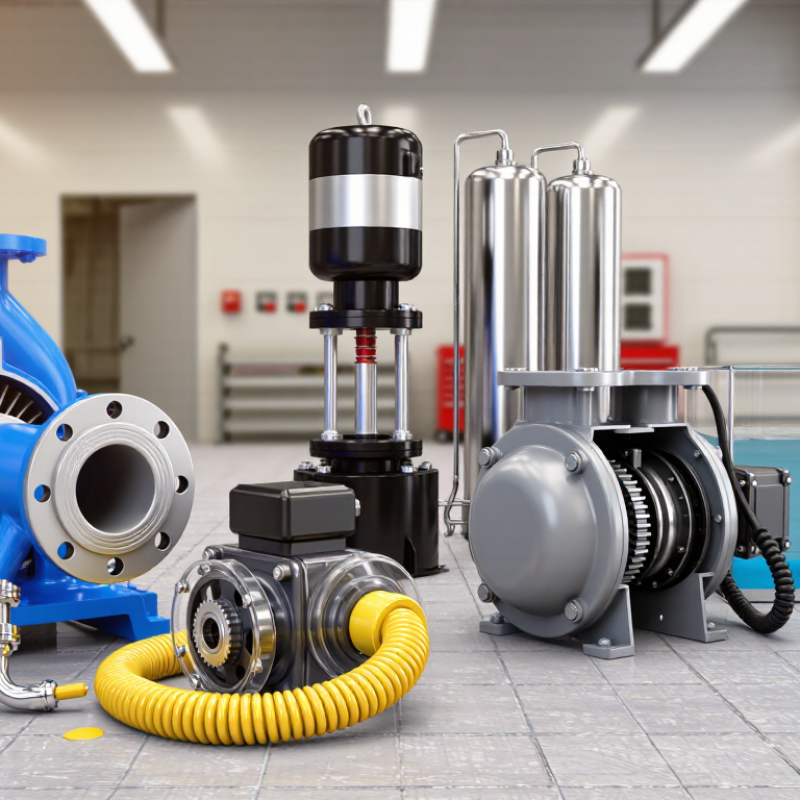
Transfer pumps move liquid by creating a pressure difference or capturing fluid and pushing it onward. A centrifugal pump spins an impeller, adding energy that sends liquid through the discharge line. It often suits steady movement of low-viscosity fluids, such as water. The flow is smooth. Positive-displacement pumps trap a set volume in chambers, then move it with gears, pistons, or a diaphragm. They can handle thicker fluids and controlled flow, but pressure protection matters because a blocked outlet can build pressure quickly.
The fluid itself helps determine the pump design. Thin liquids usually pass through small clearances easily, while viscous oils may need slower, stronger pumping. Some pumps tolerate suspended particles; others can wear or clog when grit reaches close-fitting parts. Shear-sensitive fluids may also need gentle handling. Check viscosity, temperature, flow rate, suction lift, and chemical compatibility before choosing equipment. Small details matter. A liquid that changes thickness when cold can behave differently during a winter start.
Installation affects performance too. A long, narrow suction line can starve an otherwise suitable pump. Air leaks may interrupt flow, and a clogged strainer can reduce delivery. Keep the pump primed when required, and avoid dry running unless the unit is designed for it. Real fluids rarely behave exactly like a neat chart suggests. Watch for unusual vibration, heat, noise, and leaks during operation, then compare what you observe with the pump’s operating guidance.
Which Factors Shape Transfer Pump Selection in 2026?
In 2026, transfer pump selection starts with the liquid, not the catalogue.
A centrifugal pump often suits low-viscosity fluids and steady, higher flow. Gear pumps handle thicker, relatively clean liquids, while diaphragm pumps can tolerate some suspended solids. Peristaltic pumps isolate the fluid inside flexible tubing, but tubing wear needs attention.
No type is best for every job.
Flow rate and discharge pressure matter, yet they are only part of the decision. Check viscosity, temperature, particle size, and chemical compatibility against the pump’s wetted materials. A small mismatch can mean leaks, corrosion, or frequent repairs.
Consider suction lift, pipe length, power supply, run time, and whether flow must be adjusted. Keep maintenance practical: can staff inspect seals or replace tubing without special tools?
A common mistake is choosing by maximum flow alone.
That number may not reflect real performance through long, narrow hoses. Budget and efficiency count, too, but the cheapest option can become costly if it needs constant attention.
I would still verify the manufacturer’s performance curve and operating limits before final selection.
What Are the Main Centrifugal Transfer Pump Types?
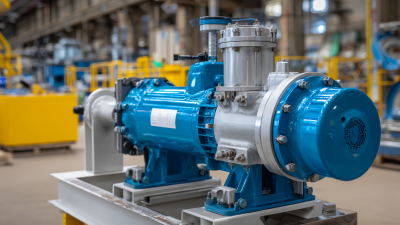
Centrifugal transfer pumps are grouped by casing layout, impeller arrangement, and the pressure a system needs. End-suction pumps are common for general transfer: liquid enters axially and exits through the casing. They are straightforward to inspect, though suction conditions and alignment still matter. Inline pumps fit between pipeline sections and save floor space. Small footprint. Split-case pumps divide their casing horizontally, making larger units easier to service. They often suit high-flow duties, such as moving water through plant networks. Multistage pumps use several impellers in series to build higher pressure. Self-priming designs can clear air from the suction line, but they still need an initial liquid charge.
The right type depends on flow, total head, liquid properties, and available suction pressure—not just pipe size. The U.S. Department of Energy’s Improving Pumping System Performance: A Sourcebook for Industry (2006) reports that pumping systems use nearly 20% of global electricity demand, and can account for 25–50% of energy use in some industrial plants. That is a strong reason to match pump duty carefully. A high-flow split-case unit may be wasteful on a small, variable-duty line; a multistage pump may add needless pressure. In practice, categories blur, and real piping losses can upset a tidy selection calculation. Check the operating curve against measured conditions. The first estimate is not always right.
How Do Positive-Displacement Transfer Pumps Compare?
Positive-displacement transfer pumps move a near-defined volume with each rotation or stroke. Their flow usually changes less with discharge pressure than centrifugal pump flow does. That can help when transferring thick oils, syrups, or fluids that need a steady rate. Small details matter. Internal clearances, fluid temperature, and wear can all affect actual output.
Gear pumps are compact and suit clean, lubricating liquids, but abrasive particles can wear their close-fitting parts. Lobe pumps handle some solids more gently and are easier to clean, though they may cost more and deliver a pulsing flow. Diaphragm pumps isolate the liquid from moving parts, making them useful for corrosive or shear-sensitive fluids. Peristaltic pumps keep fluid inside a replaceable tube, but that tube wears over time. A viscosity number alone can mislead; suction conditions and particle size matter too. Positive-displacement pumps can build pressure rapidly against a closed valve, so the system needs suitable pressure protection. The comparison is useful, but not perfect: the best choice depends on the fluid, duty cycle, cleaning needs, and maintenance plan.
Top Transfer Pump Types in 2026: Typical Discharge Pressure
Positive-displacement pumps are compared by indicative pressure ranges. Actual limits depend on pump design, materials, speed, and configuration; consult the manufacturer’s specifications for selection.
Higher-pressure capability does not necessarily mean better performance: match the pump to the required flow, fluid, and duty. Positive-displacement pumps generally deliver flow in proportion to speed and require overpressure protection.
Which Transfer Pump Types Suit Common Applications?
Choosing a transfer pump starts with the liquid, not the pump’s headline flow rate. Centrifugal pumps suit clean, low-viscosity liquids such as water and many light process fluids. They can move large volumes steadily, but performance may fall when the liquid is thick or contains solids. Check the required flow and discharge pressure against the pump curve.
For oils, syrups, or other viscous fluids, gear pumps can provide a controlled, continuous flow. Their close clearances make cleanliness and wear important. Diaphragm pumps handle many corrosive or particle-bearing liquids and can run dry for limited periods, depending on their design. That flexibility has a trade-off: pulsating flow may complicate precise dosing. Peristaltic pumps keep liquid inside a replaceable tube, which can be useful for sensitive fluids or small metered doses. Tube life is easy to underestimate.
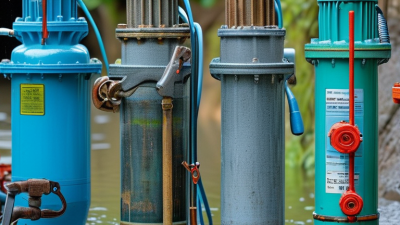
For draining pits, flooded areas, or tanks, submersible pumps can work directly in the liquid. Match the model to the solids size, liquid temperature, and installation depth; a pump that fits the opening may still clog. Fit matters. Before selecting, measure hose length and lift height, then consider how often seals, tubes, or other wetted parts need service. Real installations are rarely perfect, so leave room for access and routine checks.