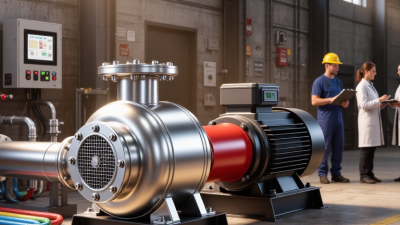
How to Choose the Right Membrane Pump in 2026?
Choosing the right membrane pump in 2026 requires more than comparing flow rates and prices. Engineers must examine fluid viscosity, temperature, solids content, chemical compatibility, pressure, and operating frequency. A pump that works perfectly with clean water may struggle with abrasive slurry or solvent-based liquids. Small details matter, such as diaphragm material, valve design, air consumption, and maintenance access.
Dr. Heinz P. Bloch, a recognized machinery reliability specialist, has emphasized, “A pump’s reliability begins with correct selection.” This principle remains practical for modern membrane pump systems. The selection process should begin with verified process data, not assumptions from an old equipment schedule. Ask how the pump will behave during startup, dry running, pressure changes, and interrupted production. Then compare manufacturer curves, test results, warranty terms, and service support.
Real installations often reveal uncomfortable gaps. The published flow rate may not match field performance. The chemical chart may not reflect actual concentration or temperature. We should admit that.
A dependable decision also considers total cost over several years. Energy use, diaphragm replacement, spare parts, noise, and downtime can exceed the initial purchase price. Smart buyers request application reviews and documented compatibility advice. They should also confirm whether the supplier has experience with similar fluids and operating conditions. In 2026, digital monitoring can improve visibility, but sensors cannot correct a poorly selected pump. The best membrane pump is the one that fits the complete process, not merely the specification sheet.
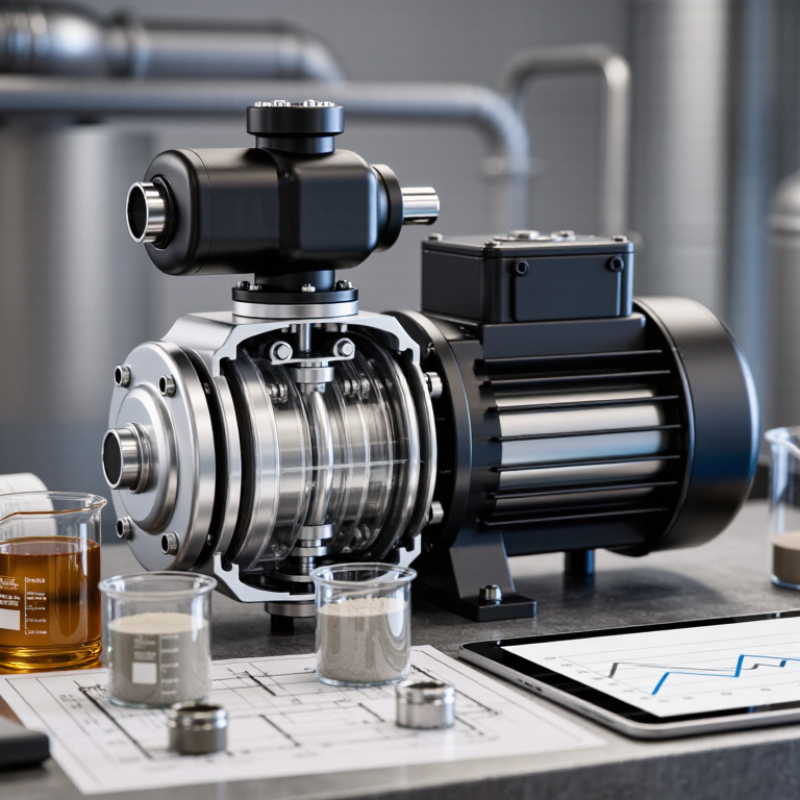
Define Duty Conditions: Flow, Pressure, Viscosity, Solids, and Temperature
How to Choose the Right Membrane Pump in 2026?
Define the duty conditions before comparing pump models. Start with the required flow rate, including normal, minimum, and peak demand. A pump sized only for average flow may struggle during cleaning or startup. Record discharge pressure and suction conditions at the pump inlet. Small pressure losses in long hoses can become significant.
Viscosity changes the pump’s behavior. A thick coating may require slower cycling, larger passages, or additional suction support. Measure viscosity at the real operating temperature, not only in the laboratory. Solid content also matters. Note particle size, hardness, concentration, and the risk of settling. I have seen systems fail because operators recorded solids by weight but ignored particle shape.
Temperature affects viscosity, diaphragm life, seals, and material compatibility. Check both the fluid temperature and nearby ambient conditions. Include short heat spikes, even when they seem harmless. A reliable selection sheet should show operating ranges, not one convenient number. It should also identify whether the fluid contains abrasives, trapped air, or chemicals that attack wetted parts.
Leave some margin.
Avoid excessive oversizing. It can cause unstable control, unnecessary wear, and inefficient air use. Recheck the calculations with actual site data after installation. Real conditions are often less tidy than the original specification, and that difference deserves attention before procurement.
How to Choose the Right Membrane Pump in 2026?
Define the duty conditions before selecting a membrane pump. This representative duty case compares the required operating point with a conservative screening envelope. A value near 100% indicates that the pump should be checked carefully against its performance curve and materials of construction.
Duty case: 120 L/min flow, 7 bar discharge pressure, 1,500 cP viscosity, 3 mm solids, and 80°C liquid temperature. The screening limits shown are 150 L/min, 8 bar, 2,000 cP, 6 mm solids, and 95°C. Actual limits vary with pump design, diaphragm material, liquid chemistry, suction conditions, and operating cycle.
Choose Pump Type: AODD, Electric Diaphragm, or Metering Designs
How to Choose the Right Membrane Pump in 2026?
Choose Pump Type: AODD, Electric Diaphragm, or Metering Designs
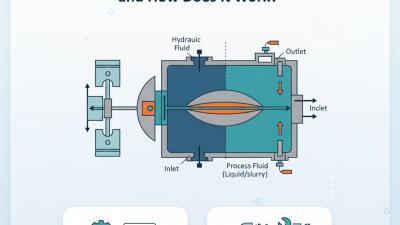
Selecting a membrane pump starts with the process, not the catalog. Check fluid viscosity, temperature, solids content, required flow, and discharge pressure. An AODD pump suits mobile service, abrasive fluids, and areas without dependable electrical power. Compressed air also provides useful stall protection. However, air consumption can become costly, especially during continuous operation.
Electric diaphragm pumps offer steadier operation and easier automation. They work well in fixed installations where energy use, noise, and precise speed control matter. Their performance depends on motor sizing, diaphragm materials, and suitable control equipment. Metering diaphragm designs are better when dosage accuracy matters, such as chemical feeding or water treatment. A small stroke adjustment can significantly change the delivered volume. Calibration is essential.
Look beyond the advertised flow rate. Ask for performance data at your actual viscosity and pressure. Confirm material compatibility with the fluid, including seals and valve balls. I have seen pumps selected correctly on paper but struggle after solids settled in the suction line. That detail is easy to miss. Keep the suction path short, install appropriate filtration, and plan access for diaphragm replacement. No chart replaces a real trial. When the fluid changes seasonally, repeat the test. I still recheck this assumption.
Compare Ratings: 0.1–1,000 L/min Flow and Up to 8.6 bar Pressure
Choosing the right membrane pump in 2026 starts with the real operating point, not the maximum rating. Available models may cover 0.1 to 1,000 L/min, while pressure ratings can reach 8.6 bar. These numbers describe capability, not guaranteed performance. A pump rated at 1,000 L/min may deliver far less against high discharge pressure. Check the pump curve at your required flow and pressure. Also examine fluid viscosity, temperature, solids, and pulsation tolerance. A clear liquid at 20°C behaves very differently from a thick, abrasive slurry.
Tips: Leave practical margin, but avoid extreme oversizing. A 20% flow reserve often supports changing conditions without creating unnecessary energy use. Confirm the compressed-air supply, connection size, and expected duty cycle. Ask for tested performance data, not only catalog ratings. Small flow rates need careful control, especially below 1 L/min. Calibration matters.
Field experience shows that material compatibility is often underestimated. Wetted components must resist the fluid and its cleaning process. Diaphragm life may shorten when pressure, temperature, and abrasive particles combine. I once saw a selection based only on pressure, and maintenance became frequent. That decision looked reasonable on paper. It was not. Review actual operating data, including start-stop frequency and suction lift. A quieter pump can also improve operator feedback, even when noise is not the main specification.
Select Materials for Chemicals, 10 mm Solids, and 150°C Service
Choosing a membrane pump for chemical service starts with the liquid, not the flow rate.
Map concentration, viscosity, temperature, and permeation risk.
PTFE suits many aggressive chemicals, while polypropylene or stainless steel may fit less severe duty.
Do not assume chemical resistance at room temperature. At 150°C, reaction rates and material swelling can change sharply. The U.S. Department of Energy’s pumping-system guidance links poor equipment selection with avoidable energy losses and maintenance costs. That matters when a pump runs continuously.
A 10 mm solid requires a genuinely open flow path.
Check the manufacturer’s maximum particle passage, valve-ball clearance, and diaphragm movement. A nominal 10 mm rating may clog when particles are irregular, fibrous, or sticky.
Add a practical margin.
Bigger is safer, but not always efficient. The U.S. National Institute of Standards and Technology reports that process reliability depends heavily on controlling operating conditions and maintenance variables. That principle applies here: measure solids size in the actual slurry, not in a dry sample.
For 150°C service, confirm the complete temperature rating, including diaphragms, seals, valve seats, air valves, and fasteners.
PTFE can tolerate high temperatures, but its mechanical performance still depends on pressure and cycling. Elastomers may fail first. Leave room for thermal expansion and install suitable cooling or insulation where required.
I would also request test data using the real chemical mixture.
A catalogue rating is useful, but it is not proof. Even experienced engineers can overlook start-up temperature spikes.
Verify Compliance: ATEX, IECEx, FDA 21 CFR 177.2600, and Lifecycle Cost
How to Choose the Right Membrane Pump in 2026?
Compliance should be checked before flow rate and price. For hazardous areas, confirm the pump’s ATEX and IECEx certification scope. Check the zone, gas or dust group, temperature class, and installation conditions. A certificate alone is not enough. The pump, accessories, grounding, and control equipment must suit the complete application.
For food, beverage, and pharmaceutical service, review FDA 21 CFR 177.2600 material compliance. This requirement concerns rubber articles intended for repeated food contact. Ask for material declarations, traceability, temperature limits, and cleaning compatibility. Do not assume every elastomer inside the pump is approved. Product-contact surfaces need clear documentation. In real audits, missing seal records can delay equipment acceptance.
Lifecycle cost deserves equal attention. Compare air or gas consumption, diaphragm and valve replacement intervals, cleaning time, spare-part availability, and unplanned downtime. A lower purchase price may become expensive after months of continuous operation. I would also calculate waste from failed batches and maintenance labor. The calculation will not be perfect, but it is more useful than a simple quote comparison. Request test data under conditions close to your process, not only laboratory figures. Check whether certification documents match the exact model and revision supplied. That small detail is often overlooked.