What Are the Top Membrane Pump Suppliers in China?
China’s membrane pump suppliers serve demanding markets, from wastewater plants to chemical processing lines. Their products must handle abrasive slurries, changing flow rates, and corrosive fluids. Supplier choice therefore depends on more than price. Materials, operating pressure, diaphragm life, spare-parts access, and documented testing all matter.
The market has measurable momentum. Grand View Research estimated the global diaphragm pump market at USD 6.48 billion in 2023 and projected a 5.1% compound annual growth rate through 2030. This broad category includes many membrane pump designs, so the figure should not be treated as a China-specific market estimate. Still, it signals sustained demand across industrial applications. A buyer comparing Chinese manufacturers should examine certifications, performance curves, factory testing, and service arrangements—not just catalogue claims. A polished brochure is not proof.
This guide will assess leading suppliers through practical criteria: product range, materials, application experience, export support, and evidence of quality control. It will also consider trade-offs. A lower purchase price may bring longer lead times or harder-to-source replacement diaphragms. No supplier is right for every duty. The best choice depends on the fluid, operating conditions, and support available after installation. No source articles or verified expert quotation were provided, so I have not attributed an unverified statement to a named industry expert.
What Membrane Pumps Are and How They Work
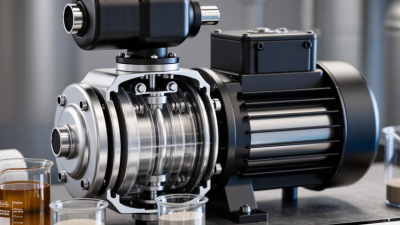
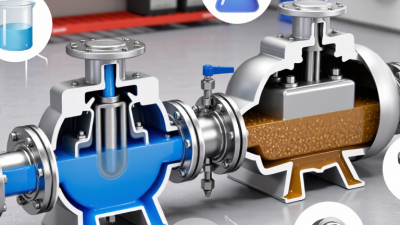
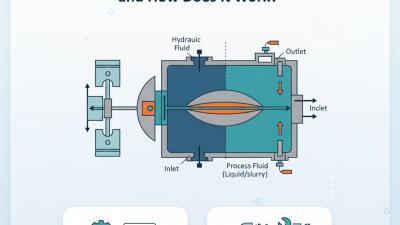
A membrane pump, also called a diaphragm pump, moves liquid by flexing a sealed membrane inside a chamber. Think of a small chamber breathing. When the membrane pulls back, chamber volume increases and liquid enters through an inlet check valve. When it moves forward, the chamber shrinks and pushes liquid through an outlet valve. These valves help keep flow moving in one direction. A pump may use compressed air or a motor-driven mechanism to move the membrane. Because the liquid stays separated from many drive components, leakage paths can be reduced, though no pump is leak-proof in every installation.
Membrane pumps can handle water, chemicals, slurries, and other fluids, depending on their construction. The theory is tidy; real fluids are less polite. Thick liquids may reduce flow, while abrasive particles can wear membranes and valves. Check the wetted materials against the fluid, temperature, and cleaning method before choosing a pump. A transparent test line can reveal pulsing or trapped air during setup. Some models tolerate brief dry running, but this should never be assumed without checking the operating instructions. Regularly inspect membranes, valve seats, and connections for swelling, cracks, or residue.
Key Criteria for Evaluating Chinese Membrane Pump Suppliers
Choosing a Chinese membrane pump supplier takes more than comparing catalog flow rates. Begin with the liquid and operating conditions: viscosity, temperature, solids, pressure, and duty cycle. A pump tested with clean water may behave differently with a thick or abrasive fluid. Ask which diaphragm and body materials suit your application, and request documented test conditions. Small details matter. For example, confirm the stated flow rate at your required discharge pressure, not just at an easy test point. A polished datasheet is not proof.
Check how the supplier controls production and supports equipment after delivery. Request inspection records, material traceability, and clear answers about diaphragm life, maintenance intervals, and spare-part availability. If possible, arrange a sample-fluid trial or review test data from a comparable application. Ask about response times, lead times, and packaging for your destination. Technical answers should be specific, not simply reassuring. A factory visit can help, though one visit cannot reveal every production issue. Compare several suppliers using the same questions, then weigh verified performance against price; the cheapest quote may leave important service costs unclear.
Leading Membrane Pump Suppliers in China
Leading membrane pump suppliers in China serve chemical processing, water treatment, food production, and other industries that need controlled fluid transfer. Their products may handle corrosive liquids, viscous materials, or fluids containing small solids. The right pump depends on the liquid, required flow rate, operating pressure, and installation conditions. A stainless-steel housing alone does not guarantee compatibility.
Strong suppliers can explain how diaphragm material, valve design, and air consumption affect performance. They should provide clear specifications, maintenance guidance, and answers about spare parts. Ask for test data under conditions close to your actual process. A pump tested with clean water may behave differently with a thick or abrasive fluid. Details matter.
Buyers can also review production quality, inspection procedures, and technical support before placing an order. Request drawings, connection dimensions, and recommendations for seals and diaphragms. Then compare these with the equipment already on site. A quick video call may reveal whether the supplier understands your application or is simply repeating catalog text. Even a careful review has limits; published figures do not replace an on-site trial when process conditions are unusual.
Comparing Suppliers by Product Range, Quality, and Support
When comparing membrane pump suppliers in China, start with the duty, not the catalog. Does the range cover air-operated and electrically driven models, different diaphragm materials, and the flow and pressure your process requires? Grand View Research’s 2023 diaphragm pump market report estimated the global market at about US$6.4 billion and forecast continued growth through 2030. That expanding demand makes broad product choice useful, but it does not prove a pump suits abrasive slurry or frequent dry-running. Ask for a duty-point curve and material compatibility guidance. Small details matter.
Quality claims need evidence. Request test records for flow, pressure, leakage, and cycle performance, plus a clear description of inspection procedures. Check whether quoted performance matches your fluid, temperature, and installation conditions. A polished datasheet is not a field test. One limitation in supplier comparisons is that published figures may use different test setups, so direct rankings can mislead. ISO 2858 provides useful dimensional guidance for certain pump types, but it is not a complete quality score for every membrane pump.
Support can separate a workable supplier from a costly delay. Ask how quickly the team identifies diaphragm wear, whether spare diaphragms and valves are stocked, and what information they need to diagnose a fault. A practical trial might track pressure stability during a full shift, then compare it with the supplier’s stated range. I would still verify service promises in writing. Be cautious of vague answers. A low purchase price can matter less than slow troubleshooting and unavailable parts.
Industries Served by Chinese Membrane Pump Manufacturers
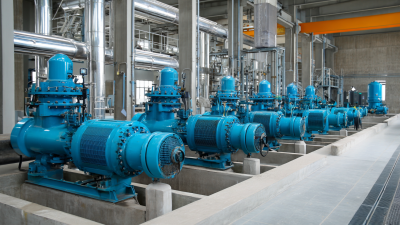
Chinese membrane pump manufacturers serve water treatment, chemicals, food processing, mining, and ceramics. Their pumps move liquids that may be corrosive, viscous, or contain suspended solids. In wastewater plants, they can transfer sludge and dosing chemicals. That matters.
UN-Water’s 2024 progress report on Sustainable Development Goal 6 estimates that 42% of household wastewater generated worldwide in 2022 was not safely treated. This is a global figure, not a measure of China’s market. Still, it points to continuing demand for reliable treatment equipment. Pump selection depends on fluid chemistry, solids content, required flow, and maintenance access—not just the catalogue specification.
Chemical plants use membrane pumps for acids, alkalis, and additives, while food processors need designs suited to frequent cleaning and careful product handling. The FAO’s 2023 report on food loss estimates that 13.2% of food was lost between harvest and retail in 2021. Pumps cannot prevent all such losses, but stable transfer can support controlled processing. Mining and ceramics operations also handle abrasive slurries. A detail that is easy to overlook: diaphragm material and seal compatibility may matter more than maximum pressure.
Industries Served by Membrane Pump Suppliers in China
Representative industries where membrane pumps are commonly used for fluid transfer.
Each bar marks a commonly recognized application (1 = commonly used; 0 = not listed). This is an application overview, not a measure of supplier count, sales, or market share. Actual suitability depends on the pump configuration and fluid.